What Is Gum Recession?
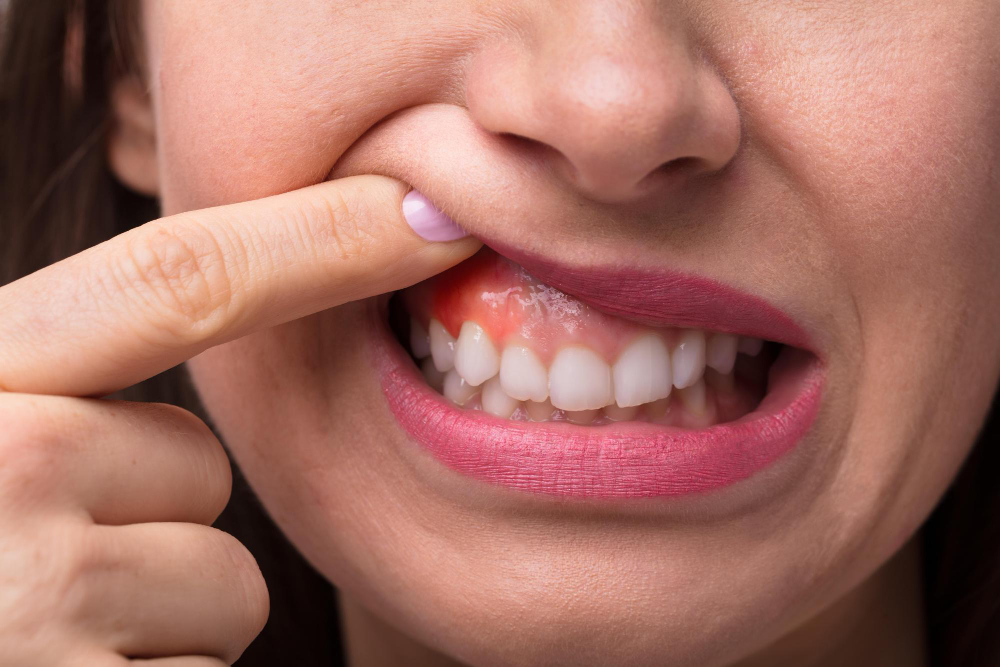
Gum recession happens when the gum tissue around your teeth pulls back. As a result, more of your tooth or its root becomes exposed. This can make teeth look longer and may lead to sensitivity. Gum recession is a common dental problem. It can affect people of all ages. Early care is important because, over time, gum recession can lead to tooth loss. According to the CDC, gum disease is a leading cause of gum recession.
Common Causes of Gum Recession
Many factors can lead to gum recession. Understanding these causes can help you protect your smile from gum disease.
For example, brushing too hard can wear away gum tissue. On the other hand, not brushing enough can let bacteria grow, which leads to gum disease.
Symptoms and Warning Signs
Gum recession often develops slowly. However, there are warning signs you can watch for:
If you notice any of these symptoms, it is important to act quickly. Early treatment can prevent further damage.
Diagnosis: How Dentists Identify Gum Recession
Dentists use several methods to diagnose gum recession. First, they will look at your gums during a dental exam. They may use a small tool to measure how much your gums have pulled back. X-rays can also help show bone loss around the teeth. Sometimes, dentists check for pockets between the teeth and gums. These pockets can trap bacteria and lead to more problems. Regular dental visits help catch gum recession early.
Treatment Options for Gum Recession
Treatment for receding gums depends on how severe the problem is. There are both professional and at-home options.
At home, you can help by:
However, always follow your dentist’s advice for the best results.
Tips for Protecting Your Smile and Preventing Gum Recession
Preventing gum recession is possible with good habits. Here are some tips for protecting your smile from gum disease:
In addition, ask your dentist about the best brushing and flossing techniques. This can help you avoid damage to your gums.
When to See a Dentist
It is important to see a dentist if you notice signs of gum recession. For example, if your teeth feel sensitive or your gums bleed, make an appointment. Early care can stop the problem from getting worse. Even if you have no symptoms, regular dental visits are key. Dentists can spot early signs of gum disease and help you keep your smile healthy.
In summary, gum recession is a common but treatable problem. With the right care, you can protect your smile and prevent further damage. Consult Dr. Mahendra Lulla for personalized advice on gum recession and oral health.