Introduction
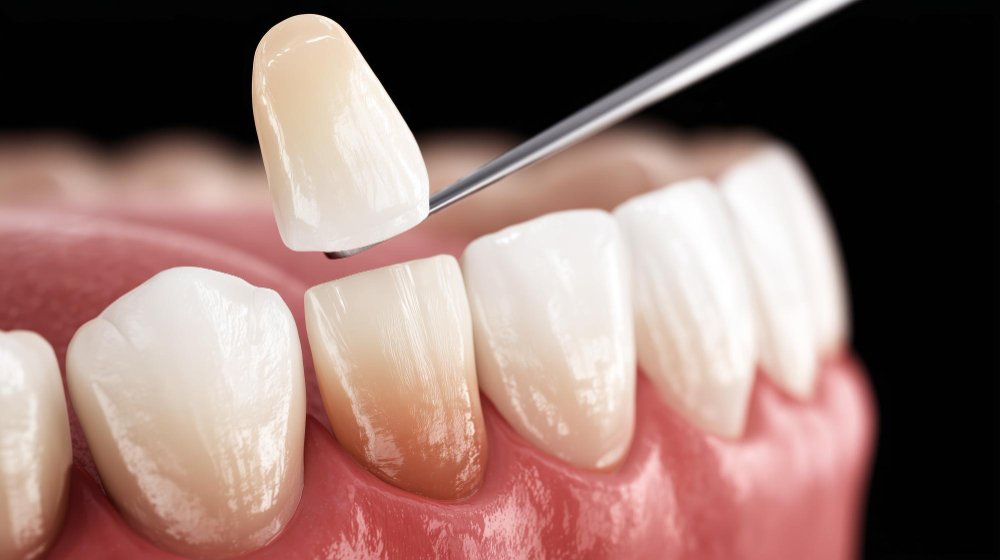
Dental veneers are thin shells placed on the front of teeth. They help improve smile aesthetics with minimal tooth correction. Many people choose dental veneers for a smile makeover or to fix chipped, stained, or uneven teeth. Because veneers require little removal of natural tooth structure, they are a popular choice in cosmetic dentistry. If you want a brighter, more even smile, dental veneers may be the solution you need.
What Are Dental Veneers?
Dental veneers are custom-made covers for your teeth. Usually, they are made from porcelain or resin. Dentists bond them to the front surface of your teeth. As a result, veneers can change the color, shape, size, or length of teeth. They look natural and blend well with your other teeth. For many, dental veneers are a simple way to fix cosmetic dental issues.
How Dental Veneers Enhance Smile Aesthetics
Dental veneers can transform your smile in several ways. First, they cover stains that do not respond to whitening. Next, they hide chips or cracks in teeth. Also, veneers can close small gaps between teeth. In addition, they can make uneven or worn teeth look straight and even. Because veneers are custom-made, they match your natural teeth for a seamless look.
The Dental Veneer Procedure: Step-by-Step
Getting dental veneers usually takes two or three visits. Here is what you can expect:
Because the process is simple, many people find it comfortable and quick.
Benefits of Minimal Tooth Correction
One major benefit of dental veneers is minimal tooth correction. Unlike crowns, veneers need only a thin layer of enamel to be removed. As a result, most of your natural tooth stays intact. This helps keep your teeth strong and healthy. Also, less drilling means less discomfort during the procedure. For many, this makes veneers a gentle option for a smile makeover.
Who Is a Good Candidate for Dental Veneers?
Not everyone is a good fit for dental veneers. However, you may be a candidate if you have:
Still, your dentist will check your oral health before starting. If you grind your teeth or have weak enamel, your dentist may suggest other options.
Risks and Considerations
While dental veneers are safe, there are some risks. For example, veneers are not reversible because a small part of enamel is removed. Also, veneers can chip or crack if you bite hard objects. Sometimes, teeth may become more sensitive to hot or cold. However, with proper care, these risks are low. Always talk to your dentist about the pros and cons before deciding.
Aftercare and Longevity of Dental Veneers
Proper care helps veneers last longer. Usually, dental veneers last 10 to 15 years or more. To keep them in good shape:
With good habits, your veneers can keep your smile bright for many years.
Frequently Asked Questions (FAQs)
In summary, dental veneers offer a simple way to improve your smile with minimal tooth correction. If you want to learn more, consult Dr. Mahendra Lulla to find out if dental veneers are right for you.